
 Call Now (719) 784-7224
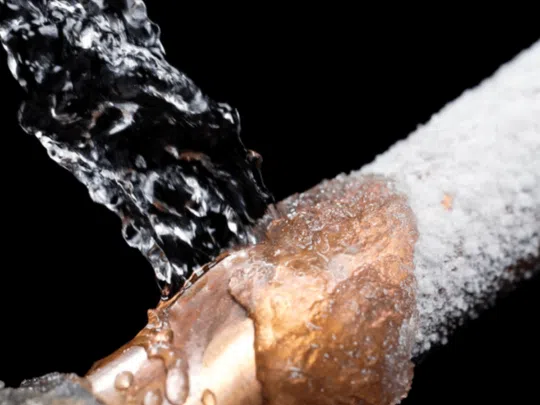
It’s 6 a.m., you turn on the kitchen faucet, and… nothing. Just a sad trickle or complete silence. If temperatures dropped below freezing overnight in Colorado Springs, there’s a good chance your pipes have frozen. And here’s the thing that makes this more than just an inconvenience: frozen pipes don’t stay frozen. They either thaw safely or they burst—and a burst pipe can dump hundreds of gallons of water into your home in a matter of hours.
The good news? If you catch it early and act quickly, you can often thaw frozen pipes yourself without calling for emergency plumbing help. But you need to know what you’re doing, because the wrong move can actually cause the pipe to burst faster.
The expert Colorado Springs plumbers at Big Cat Plumbing, Heating & Cooling have handled countless frozen pipe emergencies across Southern Colorado, and we’ve seen what works—and what makes things worse.
Here’s exactly what to do.
First: Confirm It’s Actually Frozen (Not a Different Problem)
Before you start thawing anything, make sure you’re dealing with frozen pipes and not a different issue. Turn on multiple faucets throughout your house. If only one fixture has no water, the problem might be isolated to that specific pipe. If several faucets are affected—especially those on exterior walls or in unheated spaces like basements or crawl spaces—you’re likely dealing with frozen pipes.
Also check your water heater. If you’re getting cold water but no hot water anywhere in the house, the issue might not be frozen supply lines but rather something with your water heater itself. In that case, you’ll want to look into water heater services.
Step 1: Turn Off the Water Main (Just in Case)
This is your insurance policy. If a pipe has already cracked but hasn’t burst yet, it’ll burst as soon as the ice thaws and water pressure returns. Shutting off your main water valve prevents a flood if the worst happens while you’re working.
Locate your main shutoff valve—it’s usually near where the water line enters your house, often in the basement or crawl space. Turn it clockwise until it stops. Then open a faucet somewhere in the house to relieve any remaining pressure in the system.
Step 2: Open the Affected Faucet
Before you start applying heat, open both the hot and cold handles on the frozen faucet. This does two things: it lets water flow once the ice starts melting, and it allows steam and pressure to escape instead of building up inside the pipe. That pressure buildup is what causes pipes to burst.
Step 3: Apply Heat Carefully (Starting Nearest the Faucet)
Now you can start thawing. The key is to work slowly and start at the faucet end, working your way back toward the frozen section. This lets melting water escape through the open faucet instead of getting trapped behind ice.
Safe heat sources:
- Hair dryer (the most controllable option)
- Heat lamp positioned a foot or so away
- Electric heating pad wrapped around the pipe
- Hot towels soaked in water (replace as they cool)
- Space heater pointed at the general area
Never use:
- Propane torch or open flame (you’ll damage the pipe or start a fire)
- High-heat devices near gas lines
- Anything that could create hot spots or uneven heating
Work in sections, moving the heat source gradually along the pipe. This process takes patience—sometimes 30 minutes or more depending on how long the section of frozen pipe is.
Step 4: Check for Leaks as the Pipe Thaws
As water starts flowing again, watch carefully for any dripping or spraying. Even a small leak means the pipe cracked while frozen. If you spot any leaks, shut the water back off immediately and call a plumber. A cracked pipe won’t heal itself, and that small leak will get worse over time—or turn into a full rupture.
When to Call for Help Immediately
Some frozen pipe situations are DIY-able. Others aren’t. Call for professional plumbing service in Colorado Springs if:
- The pipe is inaccessible. If the frozen section is inside a wall, ceiling, or under a concrete slab, you can’t reach it to thaw it safely. Professionals have specialized equipment for these situations.
- You can’t locate the frozen section. If water isn’t flowing but you can’t figure out where the blockage is, don’t guess. A plumber can find it quickly.
- You’ve been thawing for an hour with no progress. At a certain point, continued DIY attempts just delay professional help and increase the risk of a burst.
- You see bulging or frost on the outside of a pipe. This often means the pipe has already cracked and is holding back water with ice. The second it thaws, you’ll have a flood.
- Multiple fixtures are affected throughout the house. This suggests a more serious freeze, possibly near your main line, and typically requires professional help.
What Happens If a Pipe Actually Bursts
If you hear rushing water, see water spraying or pooling, or notice your water pressure suddenly dropping, you’ve got a burst pipe. Here’s your emergency protocol:
- Shut off the main water valve immediately
- Turn off your water heater to prevent damage to the unit
- Open all faucets to drain remaining water from the pipes
- Call Big Cat Plumbing, Heating & Cooling right away at our emergency line
- Move furniture and belongings away from water if safe to do so
- Take photos for insurance documentation
A burst pipe is one of those problems that gets exponentially worse the longer it’s ignored. Water damage spreads fast, and mold can start developing within 24-48 hours.
Preventing Frozen Pipes in the Future
Once you’ve dealt with frozen pipes once, you’ll want to make sure it doesn’t happen again. Here are the most effective prevention strategies:
- Insulate exposed pipes in crawl spaces, attics, and along exterior walls. Foam pipe insulation is cheap and easy to install yourself.
- Seal air leaks where pipes run through walls or floors. Even a small draft can drop the temperature enough to freeze pipes.
- Let faucets drip during extreme cold snaps. Running water is much harder to freeze than standing water. Just a slow drip is enough.
- Keep cabinet doors open under sinks on exterior walls so warm air can circulate around the pipes.
- Maintain consistent heat throughout your home, even when you’re away. Don’t let the thermostat drop below 55°F.
- Disconnect and drain outdoor hoses before winter, and shut off outdoor faucet valves if you have them.
If your home has a history of freezing pipes in the same location, it might be worth having a plumber evaluate whether repiping that section or adding heat tape makes sense as a permanent fix.
Don’t Wait Until Something Breaks
Frozen pipes are one of those problems where a small amount of prevention saves a massive amount of trouble and expense. If you’re dealing with frozen pipes right now and the DIY approach isn’t working—or if you want to winterize your plumbing system before the next cold snap—get in touch with us.
We’ve helped hundreds of Colorado Springs homeowners protect their homes from freeze damage, and we’re available 24/7 when emergencies happen!

 All Service Areas