
 Call Now (719) 784-7224
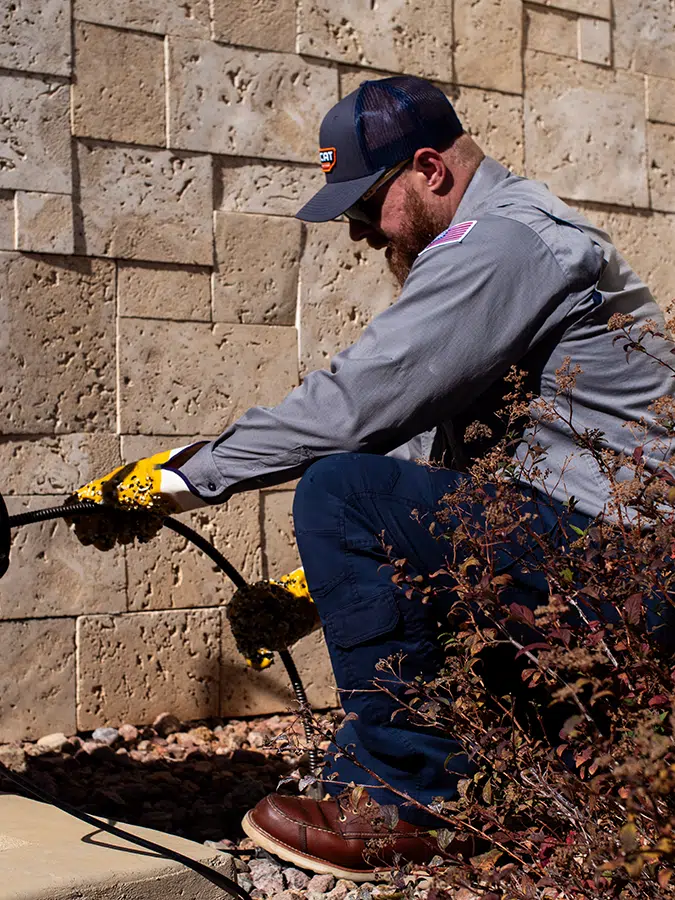
If you’ve lived in Colorado Springs for more than one winter, you know the drill: a week of single-digit lows, a warm front that pushes temps into the 50s, then another hard freeze before the weekend. That kind of weather is great for skiing. It’s terrible for your sewer line.
At Big Cat Plumbing, Heating & Cooling, we get more calls about sewer and drain issues in Colorado Springs between November and March than almost any other time of year, and most homeowners are genuinely surprised when it happens to them. The problems usually weren’t created by winter. Winter just exposes them.
Here’s what’s actually going on underground.
Freeze-Thaw Cycles Do More Damage Than a Single Hard Freeze
Most people assume a sewer line fails because the ground freezes solid. That’s not usually how it works. The real damage comes from repetition: ground that freezes, thaws, and refreezes over and over again across a Colorado winter.
El Paso County soil expands when it absorbs moisture and freezes, then contracts when it thaws. Do that enough times and even a pipe in decent shape starts to shift. For older clay or cast iron lines that already have small cracks or root intrusion, that movement can take a marginal problem and turn it into a full failure.
Depth matters too. Building codes require sewer lines to be buried below the frost line, around 36 to 42 inches in the Colorado Springs area. But older homes, past DIY repairs, or incorrectly installed lines may sit shallower than that. Those are the ones most likely to freeze outright during an extended cold stretch.
Soil Movement Puts Lateral Stress on Your Pipes
Freeze-thaw expansion isn’t just vertical. Soil can shift sideways too, especially in areas with heavy clay content or poor drainage, and the Front Range has both. That lateral movement causes two specific problems:
- Pipe belly: The line develops a low spot where waste pools instead of flowing toward the municipal main. This leads to slow drains, recurring blockages, and eventually backup.
- Joint separation: Pipe segments don’t have to crack to fail. If a joint opens even slightly, you’ve created a pathway for groundwater infiltration and for roots to find their way in.
If your drains have been sluggish or you’re hearing gurgling from toilets or floor drains, professional sewer cleaning can clear the immediate blockage, but it won’t fix the underlying cause. That requires a camera inspection to see what’s actually happening in the pipe.
Tree Roots Don’t Take the Winter Off
There’s a common misconception that root intrusion is a warm-weather problem. Roots keep growing through mild stretches and stay established in the pipe year-round. By the time Colorado Springs gets its first hard freeze, roots that entered the line in fall are already well established.
Once roots are inside a sewer line, they act like a net, catching toilet paper, grease, and debris until the line is partially or fully blocked. In winter, when holiday gatherings mean heavier use and more fats and solids going down the drain, a line with root intrusion can back up fast.
If a plumbing technician has cleared your line before and the problem keeps coming back, root intrusion is likely the culprit, and it won’t resolve until it’s addressed structurally.
Warning Signs You Shouldn’t Ignore This Winter
Most underground sewer problems give you signals before things get truly ugly. Watch for:
- Slow drains in multiple fixtures at the same time
- Sewage odor in the basement or yard
- Unusually green or soggy patches of grass above the sewer line
- Water backing up in a basement floor drain or shower
Ignoring those signs in winter is especially risky. The ground can freeze over a compromised section of pipe before you get around to addressing it, and once a line is frozen or collapsed under frozen ground, the repair becomes harder, more disruptive, and more expensive.
If you’re seeing any of these, don’t file it away as a spring project. Emergency plumbing service exists for exactly this reason.
Your Repair Options Aren’t as Disruptive as You Think
A lot of homeowners put off calling a plumber because they picture their yard being excavated in January. That’s not always necessary anymore.
Sewer lining rehabilitates a damaged line from the inside with no digging required. A flexible liner is inserted into the existing pipe, inflated, and cured in place, creating a new pipe within the old one. Big Cat is one of the only certified sewer lining contractors in Southern Colorado, which means this option is available when the situation calls for it.
For pipes that are too far gone for lining, sewer line repair and replacement is still very manageable with a crew that handles it regularly. The worst-case scenario is almost never as bad as homeowners imagine once they actually talk to someone.
Don’t Wait for a Backup to Find Out What’s Going On
If your sewer line hasn’t been inspected in a few years, getting eyes on it now gives you options. A developing crack or moderate root intrusion addressed on your schedule is a very different situation from an emergency call on the coldest weekend of the year.
And if something already seems off, don’t wait.
Contact Big Cat Plumbing, Heating & Cooling to schedule an inspection or get a plumber on the line who can tell you exactly what you’re dealing with.
 All Service Areas