
 Call Now (719) 784-7224


How a Heat Pump Works in Plain English
Picture the refrigerant inside a heat pump as a sponge for heat. In winter, it runs through the outdoor coil colder than the air around it, so it soaks up warmth even on a 20°F day. The compressor then squeezes that sponge, and the heat wrings out indoors as air blows across the coil in your furnace or air handler. In summer, a valve flips the direction, and the same sponge soaks up heat inside your house and wrings it out in the backyard. That's why a heat pump doubles as your air conditioner.
Because it carries heat instead of burning fuel to make it, a heat pump can deliver two to three units of heat for every unit of electricity it uses in mild weather. The best gas furnaces top out in the mid-to-high 90s for efficiency. Our page on heat pump services in Colorado Springs covers installation, repair, and upkeep for these year-round systems.
How Heat Pumps Handle a Colorado Springs Winter
Heat pumps earned a rough reputation along the Front Range. Earlier generations lost steam below freezing and leaned on electric resistance strips that sent bills soaring. Today's cold-climate models use variable-speed compressors that keep producing heat well below zero, and ENERGY STAR's cold-climate certification requires strong performance at 5°F.
Our weather helps more than people expect. The Springs gets real cold snaps, but they rarely last, and plenty of January afternoons climb into the 40s under clear skies. A heat pump runs at its most efficient on those mild, sunny days.
A few things will feel different from a furnace:
- Air from the vents feels warm rather than hot, because it's delivered at a lower temperature over longer, steadier cycles
- The outdoor unit runs short defrost cycles in winter and may release a puff of steam, which is normal
- Rooms stay at a more even temperature
Heat Pump or Furnace: What It Means for Your Bills
Natural gas in El Paso County has historically been affordable, so a heat pump won't automatically beat a high-efficiency gas furnace on monthly costs. The math improves when you're replacing electric baseboard heat or propane, or when your AC is due for replacement anyway.
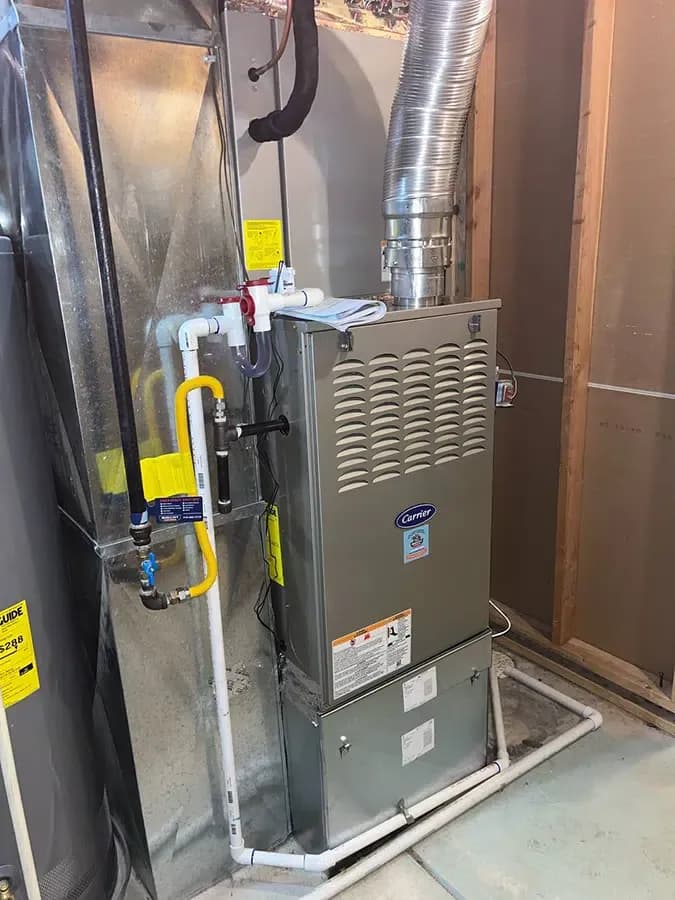
For many local homes with gas service, the sweet spot is a dual-fuel system. The heat pump handles cooling and most of the heating season. A gas furnace takes over automatically when the outdoor temperature drops below a set point. You get efficient heat on mild days and a strong backup on the coldest nights. If your furnace is also near retirement, our Colorado Springs heating installation team can size both pieces to work together.
Signs a Heat Pump Could Be a Good Fit
- Your central AC is 12 years old or more, or you've been getting by without AC through hotter summers
- Your furnace is aging and you'd like a system with built-in backup
- You currently heat with electric baseboard or propane
- A basement, addition, or converted garage never stays comfortable
- You want to reduce how much gas your home uses
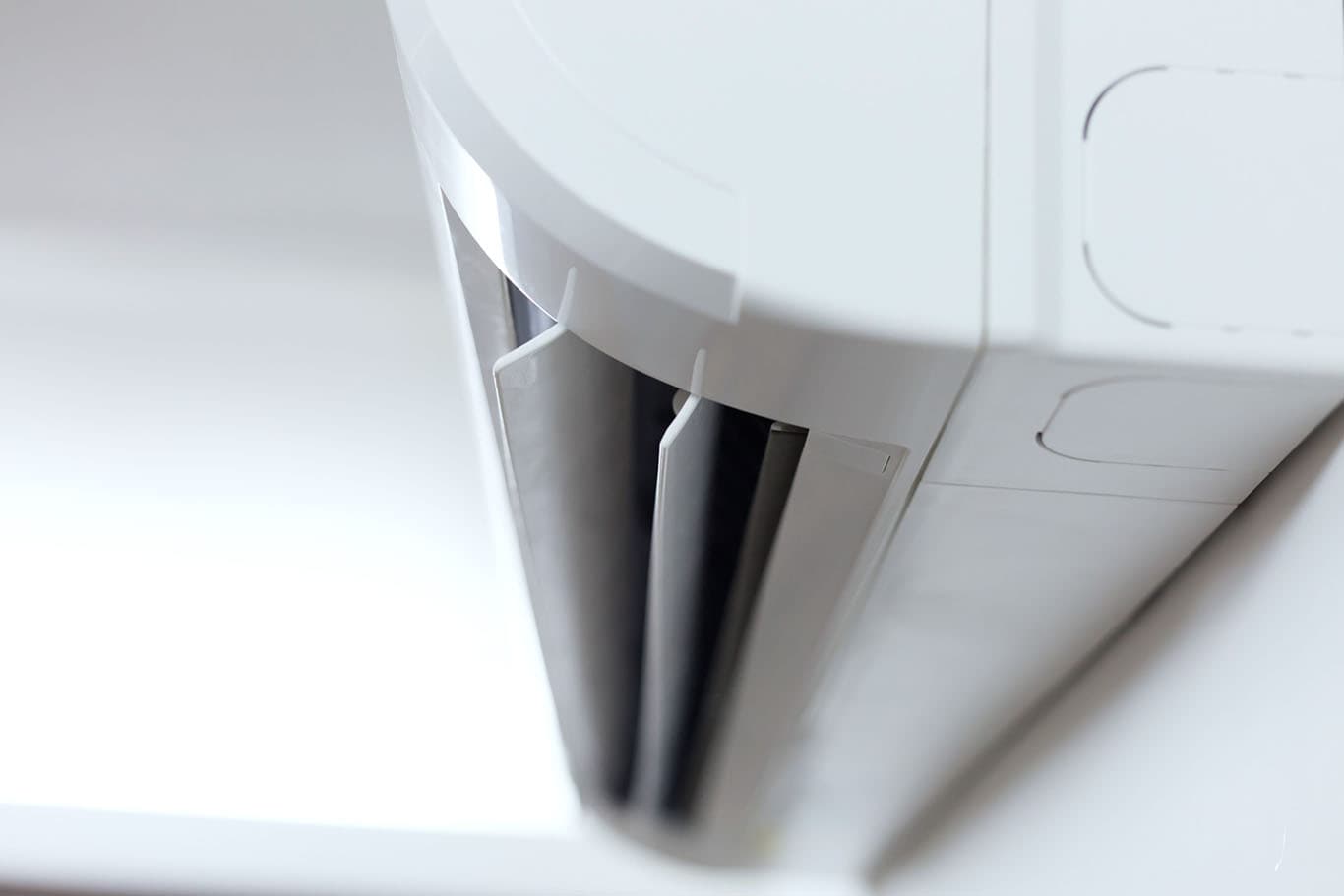
If you're already pricing a new air conditioning installation, get a heat pump quote alongside it. The price gap is often smaller than homeowners assume. Some older homes have no ductwork, such as houses heated by boilers and radiators. In those homes, a ductless mini-split system adds heating and cooling room by room without opening up walls for ducts.
What to Get Right Before You Install
Sizing comes first. A proper load calculation accounts for square footage, insulation, windows, and local design temperatures. An oversized unit short-cycles and wears out early. An undersized one leans on backup heat during cold snaps.
Ductwork matters more with a heat pump than with a furnace. The air comes out at a lower temperature and the system runs longer, so leaks in the attic or crawlspace cost you more. Sealing leaky ducts before or during installation protects your efficiency gains.
Your thermostat needs to be heat-pump compatible. Deep overnight setbacks can trigger expensive auxiliary heat during morning recovery, and a properly programmed thermostat prevents that. Our dry winter air is also worth planning for. A whole-home humidifier makes heated rooms feel more comfortable at a lower setting.
Rebates and Incentives Available in 2026
The federal heat pump tax credit ended on December 31, 2025, but local incentives are still meaningful:
- Colorado Springs Utilities offers a $1,500 bill credit for qualifying cold-climate air-source heat pumps under 3 tons, and $3,000 for systems 3 tons and larger. A Pikes Peak Regional Building Department permit is required.
- Colorado's state heat pump tax credit is claimed by registered contractors, who must pass at least $333 of it to you as a discount at installation.
- Income-qualified households may also be eligible for state rebates of up to $8,000.
Program rules and funding change, so confirm current amounts before signing a contract. Big Cat also offers financing if you'd rather spread out the cost.
Keeping a Heat Pump Running Well
A heat pump works all year, so it benefits from two tune-ups annually: one in spring before cooling season and one in fall before the heat kicks on. Scheduling heating maintenance in Coloarado Springs each fall lets a technician check refrigerant levels, coils, and the defrost controls. Between visits, keep snow cleared from the outdoor unit and change filters regularly. With that care, most systems last 10 to 15 years or longer.
Find Out What Fits Your Home
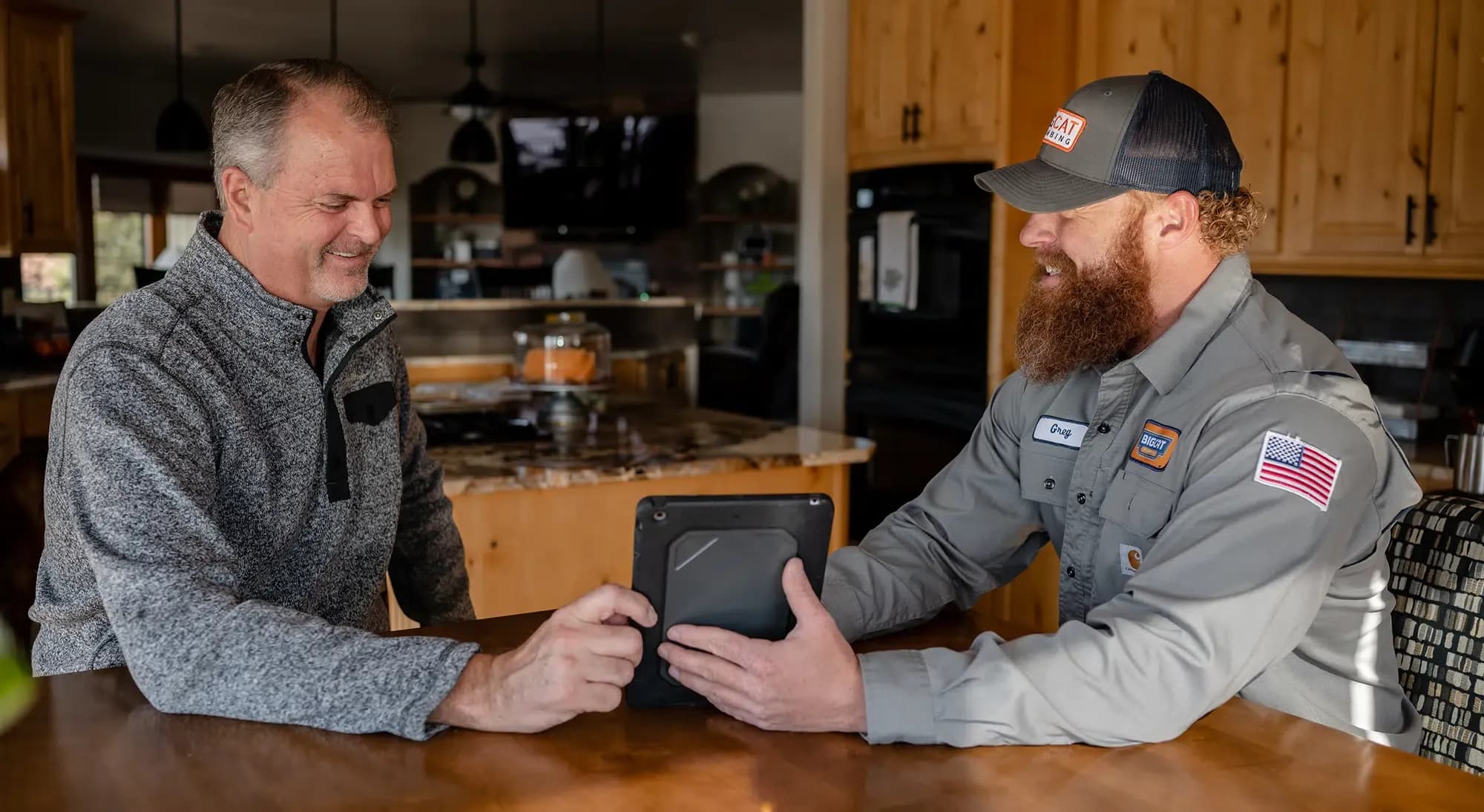
The quickest way to know whether a heat pump, a dual-fuel setup, or a new furnace fits best is an in-person look at your house. Book an appointment with Big Cat, and we'll check your ductwork, run the load numbers, walk through the rebates you may qualify for, and lay out your options before winter settles in.

 All Service Areas