 Call Now (719) 784-7224
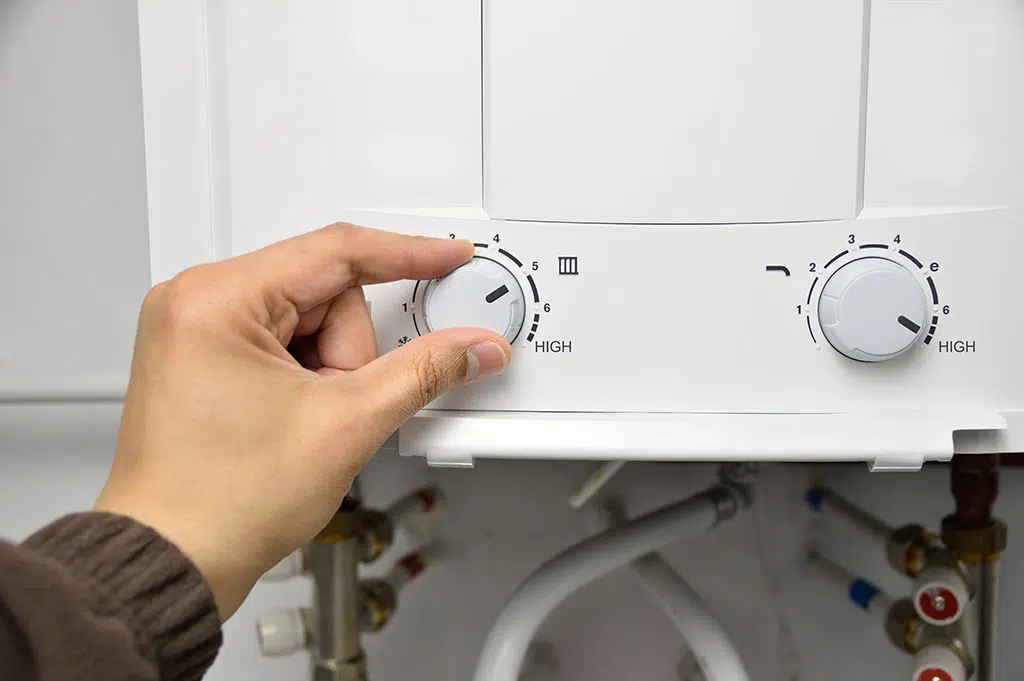
When temperatures drop, your water heater in Colorado Springs works harder than you think. Most homeowners don’t realize their water heater is under serious strain until they’re standing in a freezing shower, wondering what went wrong.
At Big Cat Plumbing, Heating & Cooling, we see a spike in water heater calls every winter—and most of those problems could’ve been prevented.
Cold weather doesn’t just make your morning shower less pleasant. It forces your water heater to work overtime, reduces its efficiency, and can actually shorten its lifespan.
Here’s what happens when temperatures drop, and more importantly, what you can do about it.
Why Cold Weather Is Tough on Water Heaters
Your water heater’s job is to heat incoming cold water to your desired temperature. When the ground freezes and incoming water temperature drops from around 60°F in summer to 40°F or lower in winter, your heater has to work significantly harder to reach that same 120°F output.
That’s not a small difference. Your water heater is now heating water an extra 20+ degrees, which means:
- The heating elements or burner run longer and more frequently
- Recovery time between showers increases
- Energy consumption goes up (hello, higher utility bills)
- Components experience more wear and tear
If your water heater sits in an unheated garage, crawl space, or cold basement, the problem compounds. The unit itself loses heat to the surrounding cold air, making it work even harder to maintain temperature.
Common Cold Weather Water Heater Problems
Longer recovery times
When your teenager takes a 20-minute shower and you’re left waiting 45 minutes for hot water to come back, that’s cold incoming water at work. Your heater hasn’t failed—it’s just overwhelmed.
Frozen pipes and pressure relief valves
If your water heater is in an uninsulated space, the pipes connected to it are vulnerable. A frozen pressure relief valve can’t do its safety job. Frozen inlet pipes mean no water flow at all.
Sediment buildup acceleration
Colorado Springs has relatively hard water, which means mineral deposits. Cold temperatures can make existing sediment settle and harden at the bottom of your tank, reducing efficiency and potentially causing premature failure.
Pilot light issues
For gas water heaters in garages or crawl spaces, drafts and temperature fluctuations can interfere with pilot lights, leaving you with no hot water until it’s relit.
How to Make Your Water Heater Last Through Winter (and Beyond)
The good news: you can take steps now that’ll keep your water heater running efficiently through cold weather.
- Insulate the tank. A water heater blanket costs around $30 and can reduce standby heat loss by 25-45%. This is especially important if your heater sits in an unheated space. Make sure you don’t cover the thermostat, burner, or any vents on gas models.
- Insulate exposed pipes. Foam pipe insulation is cheap and easy to install. Focus on the first few feet of hot water pipes leaving your heater and any cold water pipes in unheated spaces. This prevents heat loss and protects against freezing.
- Drain and flush sediment. That crusty layer at the bottom of your tank acts like insulation between the heating element and the water—bad insulation. Draining a few gallons every few months helps, but a proper annual flush is better. If you haven’t done this in years, consider having a professional handle it since older sediment can be stubborn.
- Check the anode rod. This sacrificial component prevents your tank from rusting out. Most homeowners have never heard of it, let alone checked it. If yours is more than 5 years old and you’ve never replaced the anode rod, it’s probably time. This simple part can add years to your water heater’s lifespan.
- Test the pressure relief valve. This safety valve releases pressure if your tank gets too hot. Test it once a year by lifting the lever slightly—you should see water discharge through the drainpipe. If nothing happens or it won’t stop dripping after testing, it needs replacement.
- Adjust your thermostat (maybe). If your water heater is working harder in winter, you might be tempted to crank up the temperature. Don’t go above 120°F—higher settings waste energy and increase scalding risk. If 120°F isn’t cutting it, the problem is likely capacity or efficiency, not temperature setting.
If this seems like a tall order for DIY, schedule professional maintenance! Annual water heater maintenance catches small issues before they become expensive failures. A technician will check components you can’t easily access, test safety features, and spot warning signs most homeowners miss.
When Cold Weather Reveals It’s Time for Replacement
Sometimes winter just exposes what was already failing. If your water heater is struggling despite taking preventive steps, pay attention to these signs:
- Age over 10-12 years (tank models)
- Rusty or discolored hot water
- Moisture or minor leaking around the base
- Strange noises (popping, banging, rumbling)
- Inconsistent water temperature
- Visible corrosion on the tank or connections
These aren’t always immediate emergencies, but they’re heading that direction. Planning a water heater replacement before it fails completely means you’re not shopping for emergency service at premium rates.
If you’re tired of running out of hot water or watching your energy bills climb every winter, tankless water heaters handle Colorado’s temperature swings better than traditional tanks. They heat water on demand, so there’s no standby heat loss, and you’re not storing 40-50 gallons of hot water that cools off in an unheated garage.
Don’t Wait for Cold Weather to Win
Your water heater doesn’t need to be a winter casualty. Basic maintenance and a few smart upgrades can keep hot water flowing and prevent an inconvenient (and expensive) mid-winter breakdown.
If your water heater is showing signs of struggle, acting weird, or you just can’t remember the last time it was serviced, contact us. We’ll take a look, give you an honest assessment, and help you figure out whether you need a tune-up, a water heater repair, or if it’s time to start fresh with something more efficient.
Call Now (719) 784-7224
 All Service Areas