
 Call Now (719) 784-7224
If you’re heading out of town for the holidays or escaping to warmer weather this winter, you’ve probably wondered: should I shut off my water before I leave? It’s a fair question, especially here in Colorado Springs where freezing temperatures can turn a relaxing vacation into a plumbing nightmare.
The short answer? Yes, shutting off your main water supply is one of the smartest moves you can make before leaving your home unattended in winter. But there’s more to it than just turning a valve.
At Big Cat Plumbing, Heating & Cooling, our Colorado Springs plumbers have seen what happens when homeowners skip this step—or do it incorrectly—and trust us, it’s not pretty.
Let’s walk through why this matters, how to do it right, and what other precautions can keep your home safe while you’re away.
Why Shutting Off Your Water Actually Matters
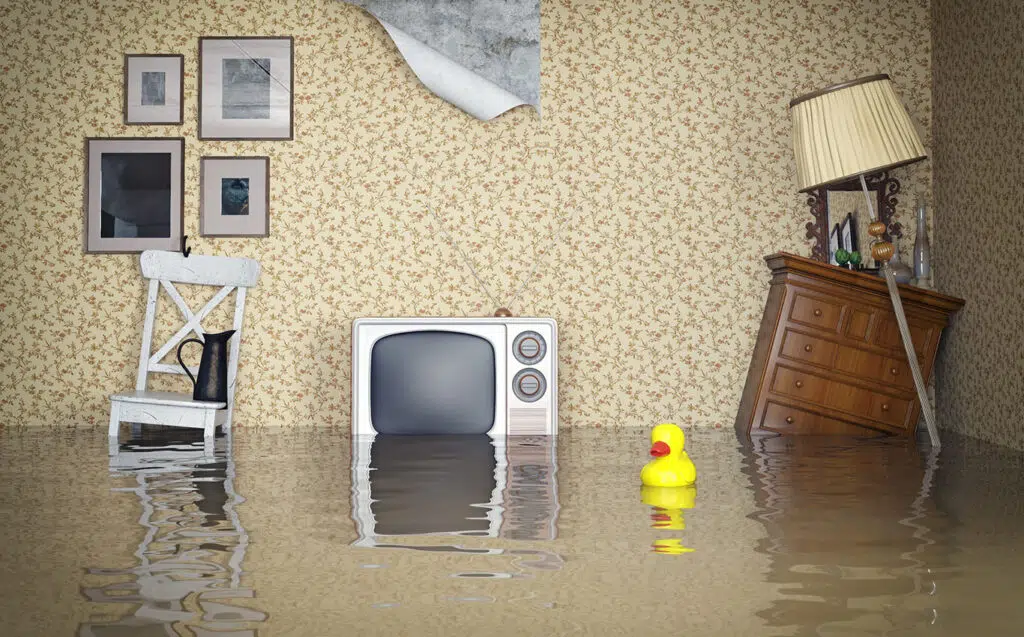
When temperatures drop below freezing, any water sitting in your pipes can freeze, expand, and cause those pipes to burst. Even a small crack can unleash hundreds of gallons of water into your home before you return to discover the damage.
The risk isn’t just theoretical. We’ve responded to emergency plumbing calls where families came home to flooded basements, warped floors, and ruined belongings—all because they left the water running while they were gone. Insurance claims are a headache, repairs are expensive, and the stress isn’t worth it.
By shutting off your main water valve, you eliminate the water pressure in your pipes. Even if a pipe freezes and cracks, there’s no pressurized water waiting to flood your home. It’s simple prevention that saves you from catastrophic damage.
How to Properly Shut Off Your Water (It’s Not Just One Step)
Here’s where people often go wrong: they turn off the main valve and think they’re done. But there are a few more critical steps to complete the job.
1. Locate Your Main Water Shutoff Valve
This is usually near your water meter, often in the basement, crawl space, or utility room. If you’ve never touched it before, now’s the time to find it. Turn the valve clockwise until it stops—this shuts off water flow to your entire house.
2. Drain the Remaining Water from Your Pipes
Once the main valve is off, open all the faucets in your home—hot and cold, upstairs and downstairs. Let them run until no more water comes out. Don’t forget outdoor spigots, too. This step removes standing water that could still freeze inside the pipes.
Also, flush all toilets to empty the tanks and bowls. You might want to add a bit of antifreeze (the RV kind, not automotive) to toilet bowls and sink drains to prevent any remaining water in the traps from freezing.
3. Shut Off and Drain Your Water Heater
Your water heater can hold dozens of gallons of water, and if it sits unused in a cold house, it’s vulnerable to freezing damage. Turn off the power or gas supply to your water heater, then attach a hose to the drain valve at the bottom and drain the tank completely into a floor drain or outside.
If you’re not comfortable doing this yourself, it’s worth calling for professional water heater services in Colorado Springs, CO before you leave. A little help now beats a broken tank later.
4. Consider Your Heating System
Here’s where some folks make a mistake: they shut off the heat entirely to save money. Don’t do that. Even with the water off, your home can still suffer damage if it gets too cold. Frozen drains, cracked fixtures, and even structural issues can happen.
Keep your thermostat set to at least 55°F. This keeps your home warm enough to protect your pipes and prevents other cold-related problems. Your heating bill will be slightly higher, but it’s nothing compared to the cost of repairs.
What About Specific Fixtures and Appliances?
Beyond the main water line and water heater, there are a few other spots that deserve attention:
Washing Machine and Dishwasher
Turn off the water supply valves to these appliances (usually located behind or beneath them) and disconnect the hoses if possible. Water trapped in hoses can freeze and crack.
Bathroom Plumbing
If you have any bathroom plumbing concerns—like a slow drain or dripping faucet—get them fixed before you leave. A small drip can freeze and cause bigger problems, and a clogged drain with standing water is just asking for trouble.
Outdoor Hoses and Faucets
Disconnect all garden hoses, drain them, and store them inside. Shut off interior valves to outdoor faucets if you have them, and consider installing frost-free hose bibs if you don’t already have them.
How Long Can You Leave Your Water Off?
There’s no hard limit, but if you’re going to be gone for more than a few days during winter, shutting off your water is absolutely worth it. Even a long weekend can be enough time for a freeze to happen if conditions are right.
For snowbirds who leave for weeks or months at a time, combining a water shutoff with the other steps we’ve covered gives you true peace of mind.
What If You’re Not Comfortable Doing This Yourself?
Not everyone wants to crawl around their basement draining pipes and messing with their water heater. That’s completely understandable. If you’d rather have a professional handle it, we’re here to help. A quick visit from our team can ensure everything’s done right, so you can leave town without worrying about what’s happening back home.
One More Thing: Check for Leaks Before You Go
Even if you’re shutting off your water, it’s smart to inspect your home for any existing leak detection and repair needs before you leave. A hidden leak can cause damage whether you’re home or not, and catching it early saves you money and hassle.
Walk through your home and check under sinks, around toilets, near your water heater, and in the basement. If you spot any moisture, dampness, or dripping, get it fixed before you hit the road.
Ready to Winterize Your Home the Right Way?
Shutting off your water when you travel in winter isn’t just a good idea—it’s one of the simplest ways to protect your home from expensive, stressful damage. And when you combine it with proper draining, thermostat settings, and a little preventative maintenance, you can leave town with total confidence.
If you need help winterizing your plumbing system or want a professional to handle the details, contact Big Cat Plumbing, Heating & Cooling today. We’ll make sure your home is ready for winter—so you can focus on enjoying your trip, not worrying about what’s waiting for you when you get back.
Call Now (719) 784-7224
 All Service Areas