
 Call Now (719) 784-7224
When temperatures drop in Colorado Springs, Big Cat Plumbing, Heating & Cooling gets flooded with calls about frozen pipes. And honestly? It’s not surprising. Our high desert climate creates some of the worst conditions for plumbing you’ll find anywhere.
You’d think pipes freezing would only happen during brutal cold snaps, but that’s not how it works here. Our unique combination of elevation, wild temperature swings, and dry air means pipes can freeze even during relatively mild winter weather. Understanding why this happens—and which pipes are most vulnerable in your home—can save you from a plumbing disaster and a massive repair bill.
Why Colorado Springs Is Particularly Tough on Pipes
Our elevation sits at over 6,000 feet, which means the air is thinner and holds less heat. When the sun goes down, temperatures can drop 30-40 degrees in a matter of hours. That rapid cooling doesn’t give your home’s thermal mass time to adjust, and pipes in vulnerable areas get hit fast.
The dry air makes things worse. With humidity levels often in the single digits during winter, there’s nothing to insulate against the cold. Heat radiates away from exposed pipes quickly, especially those running through unheated spaces.
Then there’s our construction. Many Colorado Springs homes were built with crawl spaces, uninsulated exterior walls, or garages that share walls with the main house. Builders in warmer climates can get away with running pipes through these areas. Here? Those are the first places problems show up.
Temperature swings also create a false sense of security. When it’s 50 degrees during the day, you don’t think about winter prep. But if it drops to 10 degrees that night, any pipe that wasn’t protected is at risk. The freeze-thaw cycle is particularly destructive because ice expansion can create hairline cracks that turn into major leaks once things warm up.
Which Pipes Freeze First In Colorado Homes (And Why)
Not all pipes are created equal when it comes to freeze risk. Some locations are practically guaranteed to cause problems during cold weather.
Exterior wall pipes are your first concern. If you have bathroom plumbing running along an outside wall—especially on the north side of your house—those pipes get the least sun exposure and the most wind chill. Water supply lines to toilets and showers are common culprits.
Crawl space pipes are a close second. Even with foundation vents closed, crawl spaces in Colorado Springs don’t stay warm. Cold air settles in these areas, and if your pipes aren’t insulated, they’ll freeze before you realize there’s a problem.
Garage pipes cause a lot of headaches. People don’t think of garages as part of the home’s conditioned space, but your water heater might be out there, along with supply lines running to faucets and sinks in laundry rooms or utility areas. Opening the garage door on a cold morning can drop temperatures fast enough to freeze an unprotected line.
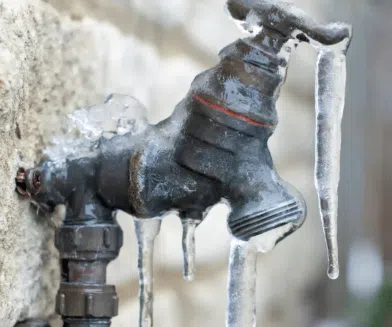
Outdoor hose bibs should be obvious, but they still catch people off guard. Even if you shut off the interior valve, water trapped in the line can freeze and cause the pipe to burst inside the wall.
Pipes in attics aren’t as common here as in other climates, but if you have them, they’re at serious risk. Attics get cold fast, and any supply line running through that space needs heavy insulation.
The common thread? These are all areas where pipes run through unconditioned spaces without adequate protection from temperature extremes. When water sits still in these lines overnight and temperatures drop, ice forms, expands, and cracks the pipe.
Signs Your Pipes Might Be Freezing (Before They Burst)
Catching a freeze before it becomes a burst saves you thousands in damage. Here’s what to watch for:
- Reduced water pressure from specific faucets, especially those on exterior walls
- Frost visible on exposed pipes in crawl spaces, attics, or garages
- Strange smells coming from drains (frozen pipes can cause backup pressure that pushes sewer gases into your home)
- No water at all from certain fixtures while others work fine
If you’re seeing any of these signs, don’t wait to see if it gets worse. What starts as a partial freeze can turn into a complete blockage and burst within hours. Professional emergency plumbing service in Colorado Springs can thaw pipes safely before they crack.
What Happens When Pipes Actually Freeze
Ice expands with incredible force—over 2,000 pounds per square inch. When water freezes inside a pipe, that expansion has to go somewhere. In copper pipes, you’ll often see a visible bulge before the split appears. In PEX piping, the material can stretch slightly, but it still has limits.
The real damage often happens when things thaw. A hairline crack that leaked a few drops while frozen can turn into a gushing flood once the ice melts and water pressure returns. That’s why you might not notice anything wrong until you come home to a soaked ceiling or flooded basement.
Older homes with plumbing systems that haven’t been updated are particularly vulnerable. If you’re dealing with original galvanized steel pipes or decades-old copper, the metal fatigue makes freeze damage more likely. Sometimes extensive repiping is the only permanent solution.
Simple Prevention Steps That Actually Work
You don’t need expensive equipment to protect your pipes. Start with these basics:
- Leave cabinet doors open under sinks on exterior walls so warm air can circulate. Let faucets drip overnight when temperatures are forecast to drop below 20 degrees—moving water is much harder to freeze. Disconnect and drain outdoor hoses, and shut off water to exterior faucets from inside the house.
- Add pipe insulation to vulnerable areas. Foam sleeves are cheap and effective for exposed pipes in crawl spaces and garages. For pipes in exterior walls, you might need to open the wall and add insulation around the plumbing.
- Keep your thermostat consistent. Letting your home get too cold at night to save on heating costs can end up costing way more if pipes freeze. Even 55 degrees is better than nothing.
- If you’re going out of town during winter, don’t turn your heat off completely. Keep it at least 55 degrees, open cabinet doors, and consider having someone check on your house every couple of days.
When to Call for Professional Help
DIY thawing can work for accessible pipes if you know what you’re doing, but there are situations where you need professional frozen pipe repair in Colorado Springs. If you can’t locate the freeze, if pipes are inside walls or ceilings, or if you’ve already got visible damage, don’t mess with it.
Professional plumbers have tools to safely thaw pipes without causing further damage, and more importantly, they can identify whether the freeze has already caused cracks. Leak detection and repair equipment can find problems you can’t see, which prevents surprise flooding days or weeks later.
Living in Colorado Springs means dealing with winter plumbing challenges that most of the country doesn’t face. But with the right preparation and quick action when problems show up, you can keep your pipes flowing all winter long.
Need help with frozen pipes or want to winterize your plumbing before the next cold snap?
Contact Big Cat Plumbing, Heating & Cooling to schedule service. We’re available 24/7 for plumbing emergencies, and we know exactly where Colorado Springs homes are most vulnerable.
Call Now (719) 784-7224
 All Service Areas